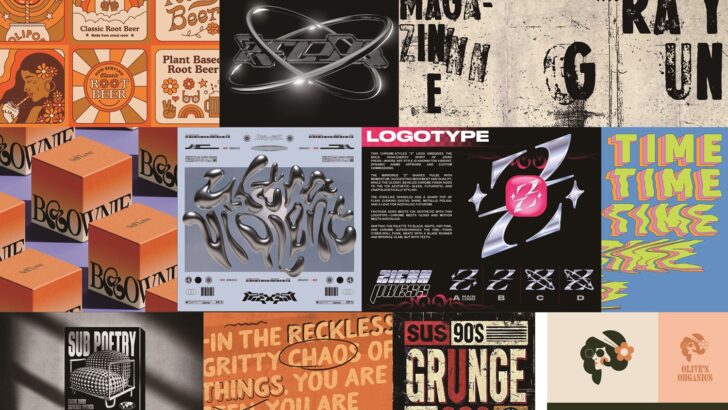
The return of retro aesthetics continues to influence the creative industry, bringing together nostalgic visual elements, contemporary technology, and modern design sensibilities. As visual communication evolves, designers are finding new ways to reinterpret iconic styles from previous decades while making them relevant to today’s audiences.
In 2027, Retro, Vintage & Nostalgic design is an opportunity to combine familiarity with innovation. From the expressive typography of the 1970s to the futuristic digital aesthetics of the early 2000s, these styles offer a diverse creative vocabulary for branding, advertising, editorial design, packaging, fashion, and digital content.
Rather than simply reproducing the past, the direction is to reinterpret historical visual languages through modern composition, refined typography, experimental textures, and more intentional color systems.
Here are five retro-inspired design styles worth exploring in 2027, including their defining characteristics, practical applications, and creative opportunities.
1. Groovy 70s: The Return of Expressive Retro Typography
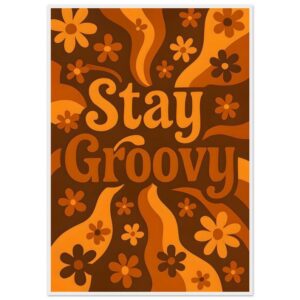
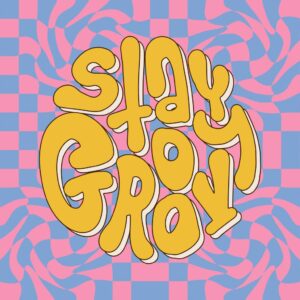
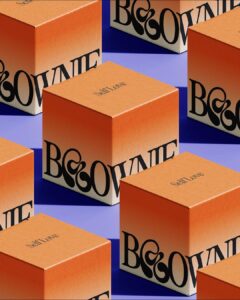
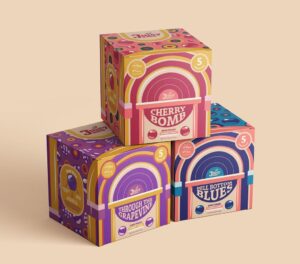
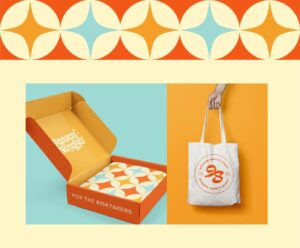
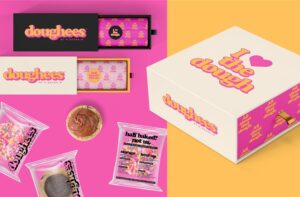
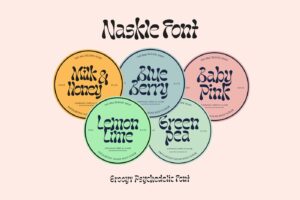
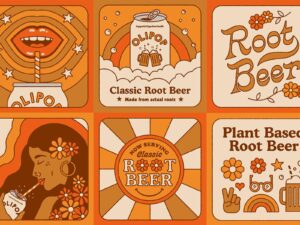
Groovy 70s is inspired by the expressive visual culture of the 1970s, particularly its psychedelic posters, music graphics, and colorful counterculture movements. This style is recognized for its fluid lettering, organic shapes, exaggerated curves, and warm, earthy color palettes.
Its defining feature is typography that feels alive. Letters often have rounded edges, irregular proportions, exaggerated curves, and tightly arranged compositions. These elements create a playful, energetic, and instantly recognizable visual identity.
Key Design Characteristics:
-
Wavy, curved, and distorted display typography.
-
Rounded letterforms and organic geometric shapes.
-
Warm colors such as burnt orange, mustard, brown, cream, and olive green.
-
Psychedelic patterns and decorative illustrations.
-
Layered compositions with bold, expressive headlines.
-
Vintage-inspired textures and printed effects.
Creative Direction for 2027
For 2027, Groovy 70s can evolve through a combination of traditional psychedelic aesthetics and contemporary editorial layouts. Designers can experiment with oversized typography, unexpected color combinations, textured backgrounds, and simplified organic illustrations.
Rather than reproducing an entire vintage poster, a more contemporary approach is to use expressive 1970s typography as the main visual element while maintaining a cleaner overall composition.
Best Applications:
-
Music posters and festival branding.
-
Coffee shop and restaurant identities.
-
Retro-inspired clothing and merchandise.
-
Packaging for snacks, beverages, and lifestyle products.
-
Social media graphics and promotional campaigns.
-
Editorial covers and decorative wall art.
Recommended Design Assets: Groovy display fonts, psychedelic lettering, organic shape collections, vintage illustrations, and retro color palettes.
2. Y2K Futurism: Digital Nostalgia Meets Futuristic Design
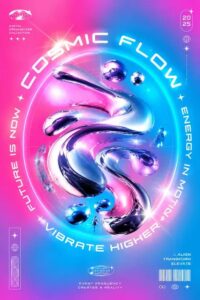

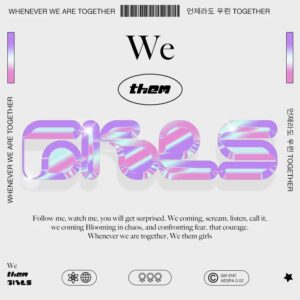
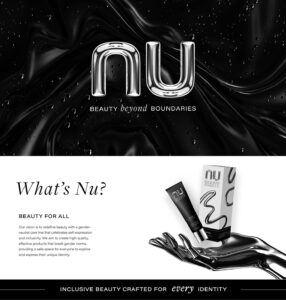
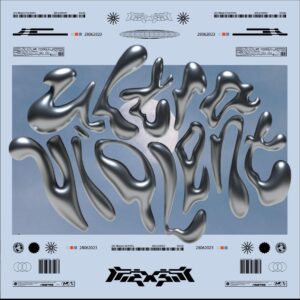
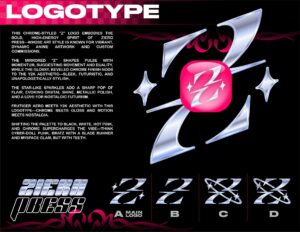
Y2K Futurism draws inspiration from the late 1990s and early 2000s, a period characterized by technological optimism, emerging digital culture, futuristic fashion, and experimental computer graphics.
The style combines nostalgic references to early digital technology with futuristic visual elements. Chrome typography, metallic surfaces, holographic gradients, translucent materials, and distorted geometric shapes are among its most recognizable features.
Y2K aesthetics continue to attract designers because they connect early internet culture with contemporary digital creativity. However, the 2027 direction is moving beyond simple metallic effects toward more sophisticated combinations of digital nostalgia, dimensional typography, and experimental materials.
Key Design Characteristics:
-
Chrome, silver, and metallic typography.
-
Holographic and iridescent gradients.
-
Glossy 3D objects and reflective surfaces.
-
Translucent materials and liquid-inspired shapes.
-
Pixel graphics, digital glitches, and futuristic interfaces.
-
Bold typography with unconventional proportions.
-
Neon accents and high-contrast color combinations.
Creative Direction for 2027
A promising direction is to combine Y2K visuals with modern minimalism. For example, designers can create a clean fashion advertisement featuring a reflective chrome headline, subtle holographic details, and a carefully controlled layout.
Another approach is to incorporate early internet references, pixel-inspired graphics, and digital distortion into contemporary branding systems.
Y2K is still relevant, although it is better approached as a targeted aesthetic rather than an automatic solution for every brand.
Kittl+1
Best Applications:
-
Fashion and streetwear branding.
-
Beauty and cosmetic packaging.
-
Electronic music and entertainment posters.
-
Technology and digital product campaigns.
-
Gaming graphics and streaming identities.
-
Social media campaigns and digital merchandise.
Recommended Design Assets: Futuristic sans-serif fonts, chrome lettering, holographic textures, pixel icons, 3D objects, and digital distortion effects.
3. Mid-Century Modern: Timeless Geometry and Functional Aesthetics
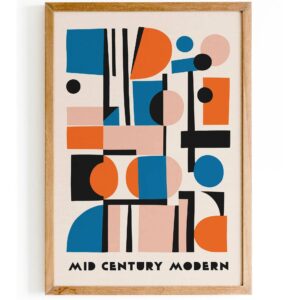
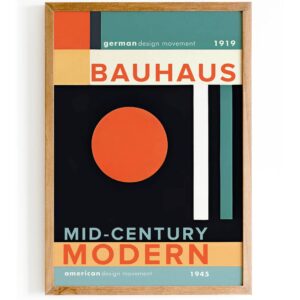
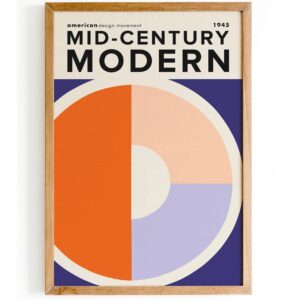
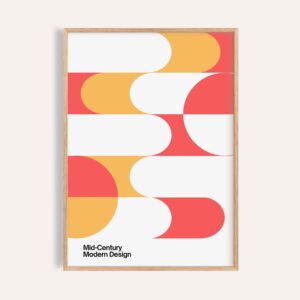
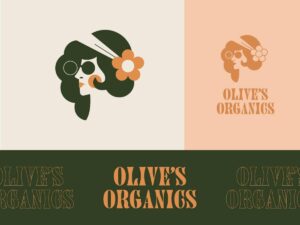
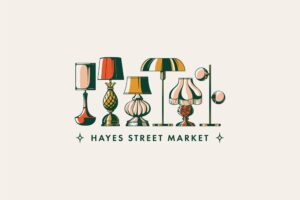
Mid-Century Modern is a design movement that emerged and developed primarily between the 1940s and 1960s. It emphasizes simplicity, functionality, geometric balance, and the relationship between visual form and practical communication.
Unlike more decorative retro styles, Mid-Century Modern focuses on structured compositions and carefully selected visual elements. Its aesthetic is often associated with abstract shapes, minimalist illustrations, clean typography, and harmonious color palettes.
The style remains relevant because its visual language is versatile, recognizable, and adaptable across both print and digital media.
Key Design Characteristics:
-
Simple geometric shapes and abstract forms.
-
Clean layouts with balanced compositions.
-
Minimalist illustrations and stylized characters.
-
Sans-serif and geometric typography.
-
Muted yet distinctive color palettes.
-
Strong use of negative space.
-
Repeating patterns and modular visual elements.
Creative Direction for 2027
The 2027 interpretation of Mid-Century Modern can combine traditional geometric principles with contemporary editorial design.
Designers can experiment with oversized abstract shapes, asymmetric layouts, modern typography, and more expressive illustrations while preserving the movement’s original emphasis on simplicity and functionality.
A particularly interesting direction is combining Mid-Century Modern layouts with subtle paper textures and handcrafted illustrations to create a warmer, more personal visual identity.
Best Applications:
-
Interior design posters and wall art.
-
Architecture and furniture branding.
-
Editorial layouts and magazine covers.
-
Restaurant and hospitality branding.
-
Corporate identity and presentation templates.
-
Packaging and lifestyle product design.
Recommended Design Assets: Geometric sans-serif fonts, abstract illustrations, modular shapes, minimalist icons, vintage patterns, and classic mid-century color palettes.
4. Distressed Vintage: Imperfect Textures and Authentic Print Aesthetics
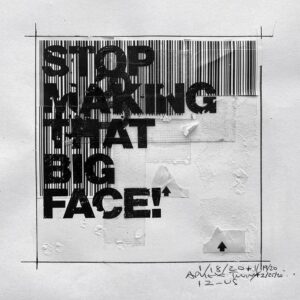
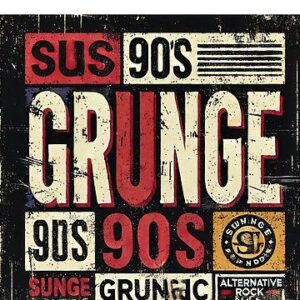
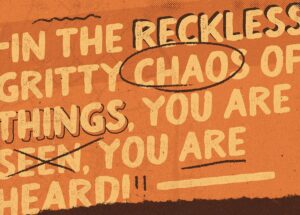


Distressed Vintage is inspired by the physical imperfections of traditional printing methods, aged paper, old advertisements, worn-out signage, and historical packaging.
Its visual identity is built around texture and character. Instead of presenting perfectly smooth graphics, this style intentionally incorporates imperfections that make a design feel aged, tactile, and authentic.
Common elements include faded ink, rough edges, grain, scratches, halftone patterns, and uneven printing effects.
As digital design becomes increasingly polished and automated, the appeal of handcrafted aesthetics and visible production processes offers another way for designers to create distinctive work. This direction is particularly relevant to the broader 2027 interest in analog textures and human-made details.
Envato+1
Key Design Characteristics:
-
Weathered and faded typography.
-
Grainy textures and distressed surfaces.
-
Ink imperfections and screen-print effects.
-
Halftone patterns and vintage photography.
-
Rough edges, scratches, and paper aging.
-
Muted, earthy, and faded color palettes.
-
Traditional serif, slab-serif, and vintage display fonts.
Creative Direction for 2027
The next evolution of Distressed Vintage is likely to focus on intentional imperfections rather than simply applying random grunge filters.
Designers can combine scanned paper textures, authentic ink marks, handmade illustrations, and contemporary typography to create a sophisticated vintage appearance.
A particularly effective approach is to use distressed textures selectively. Keep the main typography readable while applying imperfections to decorative elements, backgrounds, and supporting graphics.
Best Applications:
-
Vintage-inspired T-shirt graphics.
-
Craft beverage and food packaging.
-
Artisan bakery and coffee shop branding.
-
Music merchandise and concert posters.
-
Outdoor, camping, and adventure branding.
-
Retro product labels and promotional materials.
Recommended Design Assets: Vintage serif fonts, slab-serif typefaces, distressed display fonts, halftone overlays, grain textures, aged paper backgrounds, and screen-print illustrations.
5. Psychedelic Graphics: Experimental Forms and Optical Visual Experiences
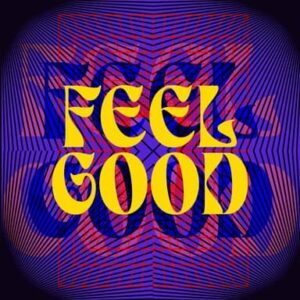
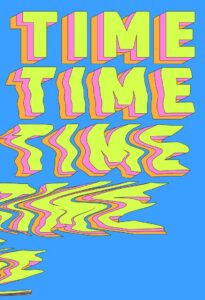
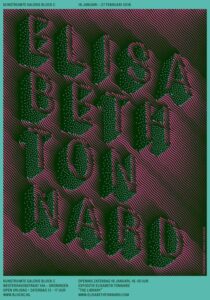
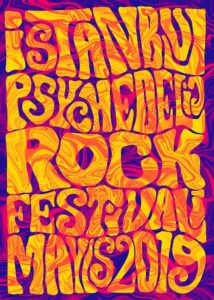
Psychedelic Graphics is a visually experimental design style influenced by the psychedelic art movement of the 1960s and 1970s. It is recognized for its unusual visual compositions, optical illusions, distorted lettering, and intense color combinations.
The style challenges traditional design conventions by transforming ordinary shapes, typography, and illustrations into unusual visual experiences.
Its most recognizable element is the interaction between typography and imagery. Letters may appear to melt, twist, expand, overlap, or merge with surrounding illustrations, creating a sense of movement and visual complexity.
Key Design Characteristics:
-
Optical illusions and visual distortion.
-
Twisted, melting, and exaggerated typography.
-
Vibrant and contrasting color combinations.
-
Abstract organic shapes and surreal illustrations.
-
Repeating patterns and fluid compositions.
-
Layered graphics and unusual visual perspectives.
-
Experimental lettering and decorative details.
Creative Direction for 2027
Psychedelic Graphics offers opportunities for more experimental visual communication in 2027. Designers can combine traditional psychedelic illustrations with modern 3D elements, digital gradients, expressive typography, and contemporary motion graphics.
One interesting direction is the fusion of psychedelic aesthetics with surreal digital imagery. This creates a visual identity that feels imaginative and contemporary without losing the distinctive character of traditional psychedelic art.
Another approach is to use psychedelic typography as the centerpiece of a composition, supported by simpler backgrounds and carefully controlled color palettes.
Best Applications:
-
Music festival and concert posters.
-
Album artwork and entertainment branding.
-
Creative fashion campaigns.
-
Artistic merchandise and apparel.
-
Experimental editorial design.
-
Digital campaigns and social media graphics.
Recommended Design Assets: Psychedelic display fonts, warped typography, surreal illustrations, optical patterns, liquid shapes, abstract graphics, and vibrant color palettes.
The Future of Retro, Vintage & Nostalgic Design in 2027
The five styles discussed above demonstrate how historical design movements continue to provide inspiration for contemporary visual communication. However, the future of retro design is not simply about bringing back old aesthetics. It is about combining recognizable visual references with new creative techniques.
Several broader directions are particularly worth exploring in 2027:
| Emerging direction | Creative opportunity |
|---|---|
| Retro-modern fusion | Combine vintage visual elements with contemporary layouts. |
| Tactile digital design | Introduce paper grain, ink textures, and realistic materials. |
| Expressive typography | Make custom lettering and distinctive display fonts central to the design. |
| Experimental 3D | Combine nostalgic graphics with dimensional objects and reflective materials. |
| Analog imperfections | Use handmade details, imperfect printing, and visible creative processes. |
These directions are consistent with several emerging 2027 design forecasts, particularly the growing interest in human craftsmanship, expressive typography, mixed media, and tactile visual experiences.
Envato+2
How Designers Can Use These Trends Effectively
Following a design trend does not necessarily mean copying its visual characteristics exactly. Successful creative work requires understanding the original style and adapting its elements to suit a particular audience, product, and communication objective.
Here are five practical recommendations:
-
Choose a recognizable visual direction. Identify the historical period, artistic movement, or cultural reference that defines the aesthetic.
-
Prioritize typography. Select typefaces that reinforce the personality of the design. Expressive display fonts can become the primary visual identity.
-
Develop a consistent color system. Use colors that support the intended mood rather than combining too many unrelated tones.
-
Experiment with materials and textures. Incorporate grain, halftone, paper, metallic surfaces, or printing imperfections where appropriate.
-
Balance nostalgia with modern usability. Ensure that the final design remains readable, functional, and relevant to contemporary audiences.
Conclusion
Retro, Vintage & Nostalgic design remains an important source of creative inspiration for 2027. Groovy 70s offers expressive typography and organic shapes, Y2K Futurism introduces digital nostalgia and metallic aesthetics, Mid-Century Modern delivers timeless geometric compositions, Distressed Vintage celebrates authentic imperfections, and Psychedelic Graphics encourages experimental visual expression.
For graphic designers, illustrators, font creators, and branding professionals, these five styles offer opportunities to develop distinctive creative products and visual identities.
The strongest approach for 2027 is to respect the visual heritage of each movement while introducing original interpretations. By combining expressive typography, thoughtful composition, contemporary techniques, and authentic visual details, designers can create work that feels both nostalgic and relevant to the future.